Showing posts with label engineering. Show all posts
09 July 2009
Civil engineers
Labels:
art,
baby,
engineering,
nature,
north side,
pittsburgh,
sculpture
26 April 2009
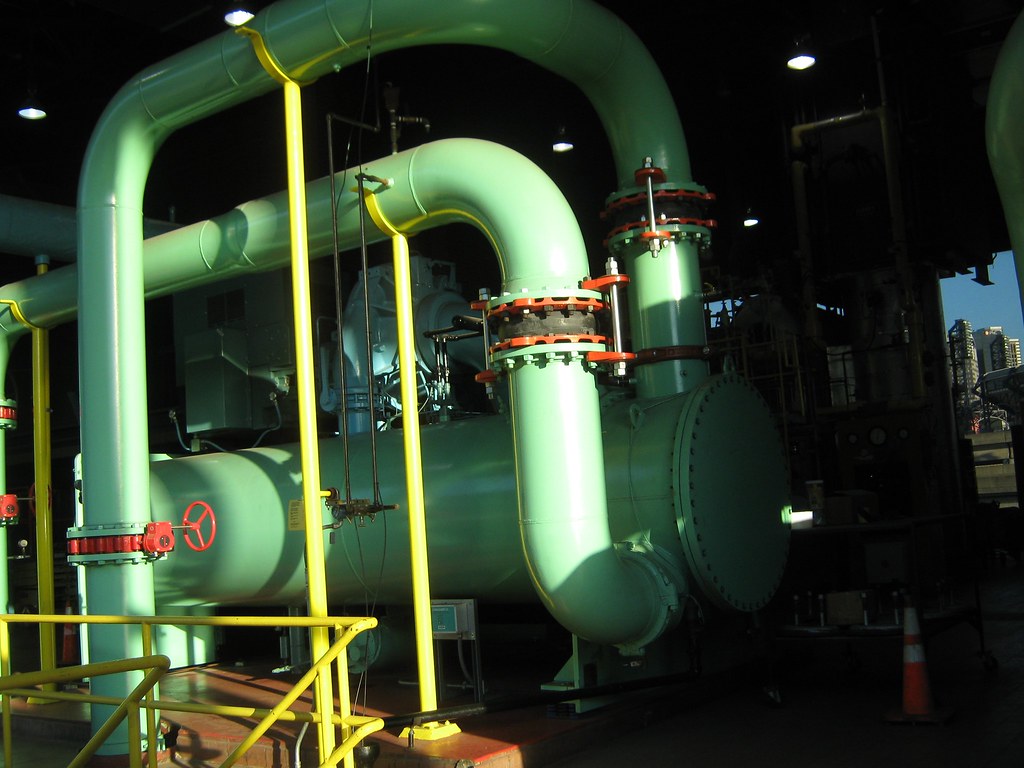
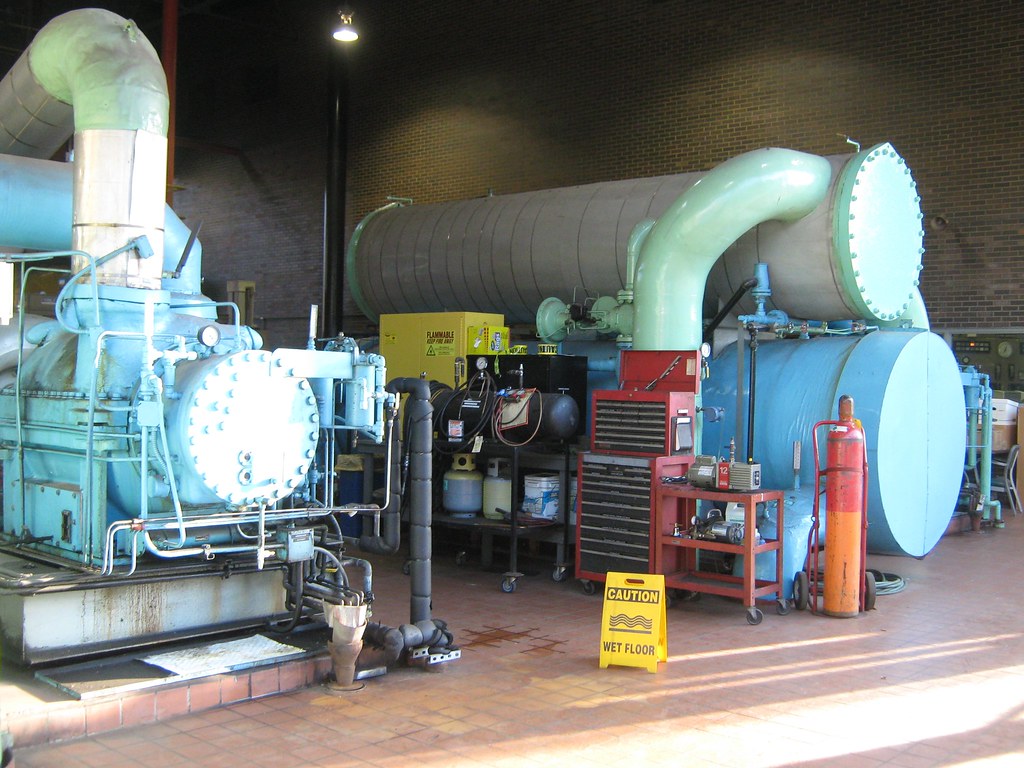
North Side heating and cooling plant
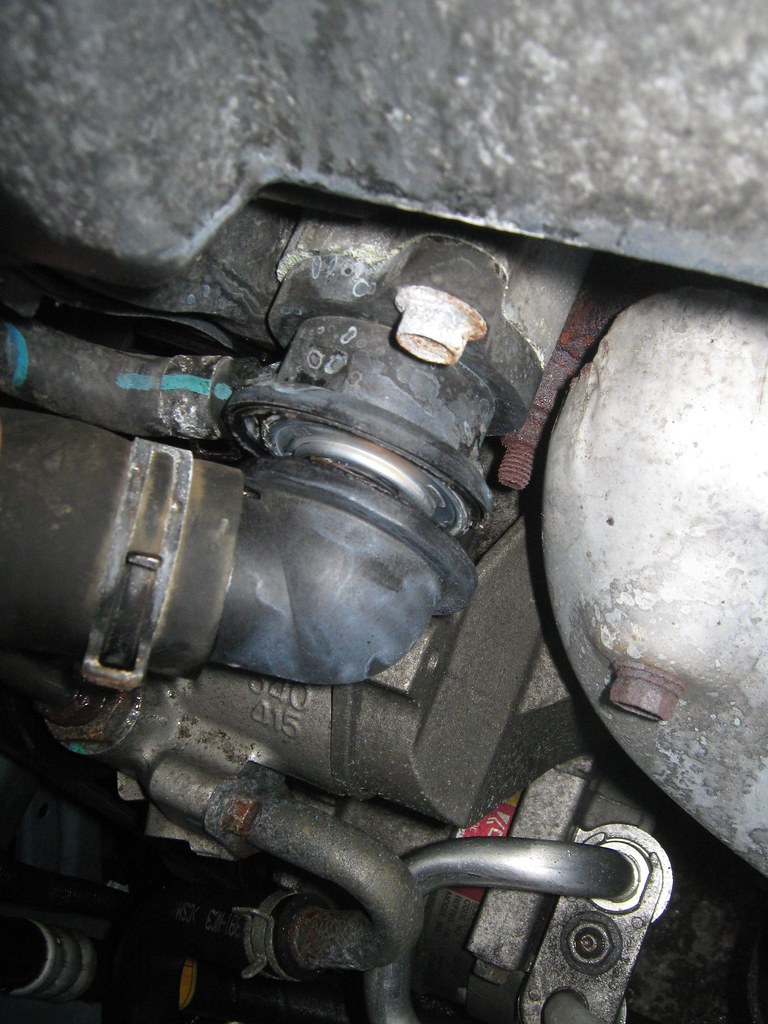
Crappy GM part, but nice run
The brilliant engineers at GM designed the plastic thermostat housing to last past the warranty period and not much longer. I hear it's a known problem with the Aveo.
Guthrie and I were on our way to go running at the park. I know, we were driving the car to go running, so maybe it was a suitable penance. Bethany called in the disabled vehicle to the Better World Club, and Guthrie and I ran the 4 1/2 miles back to the house. The Better World Club has been good for the past 2 or so years we've had it. I'd been a gold member of AAA for 19 years (started under the parents), but they lost my patronage because of their anti-bike positions.
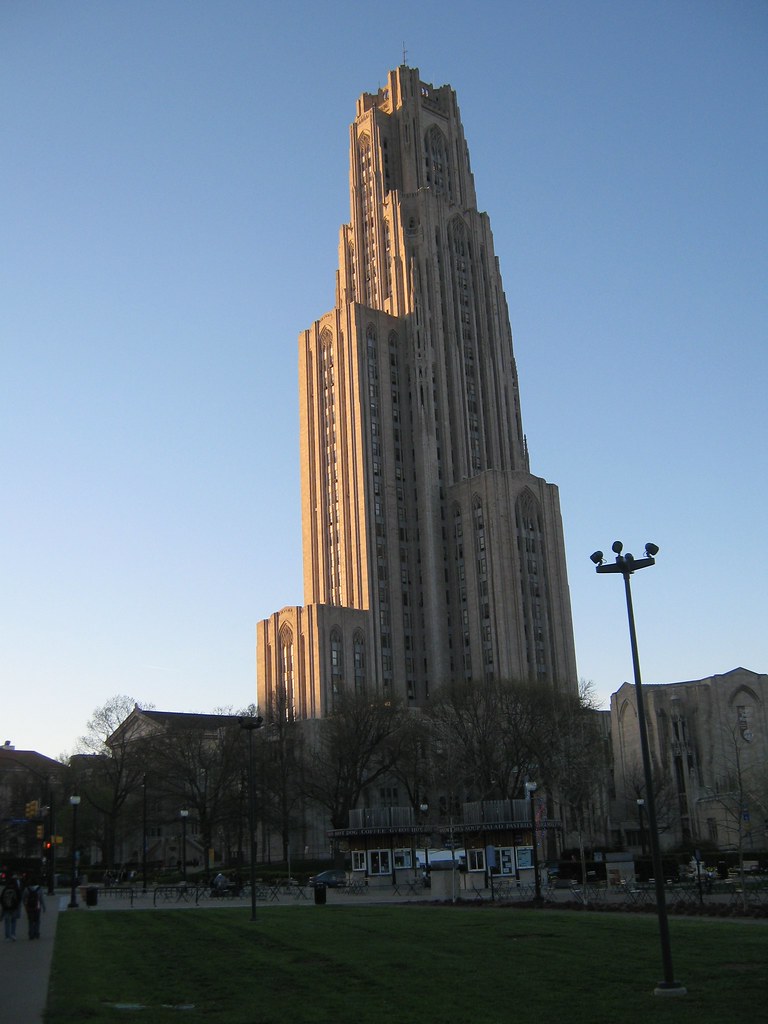
Anyway, the light was nice on the Cathedral of Learning on the Pitt Campus.
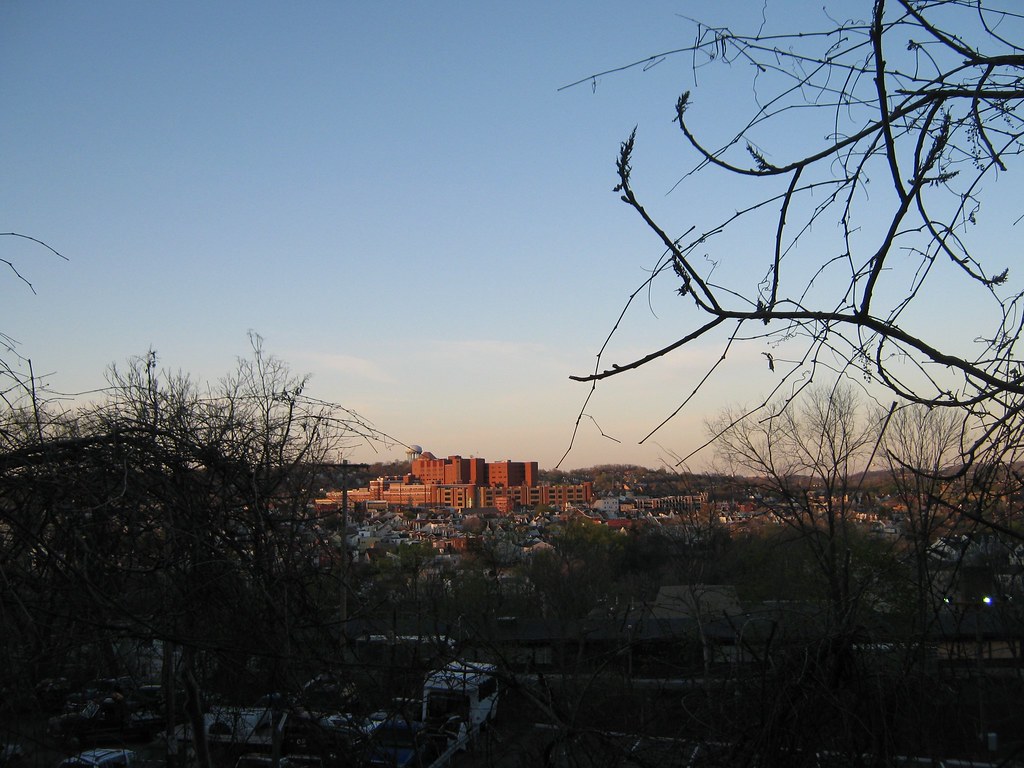
The light was nice for viewing the new Children's Hospital towering over Bloomfield and Lawrenceville.
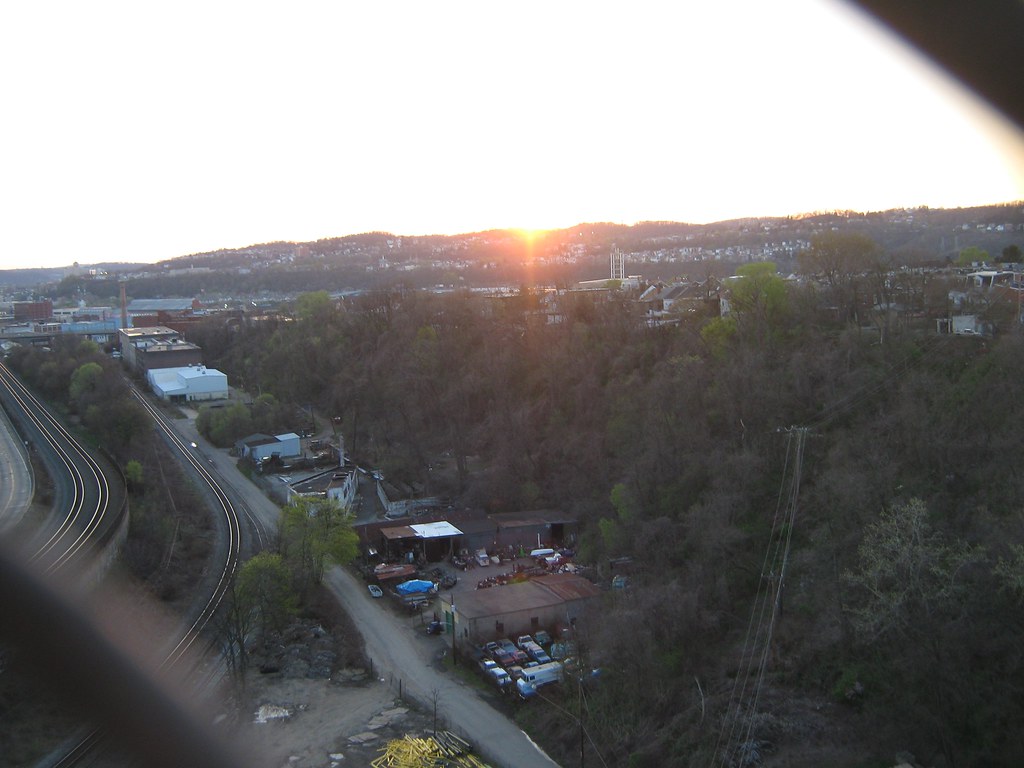
This is the Gully. It was probably once a nice valley with some sort of stream at the bottom. The stream has been replaced with trash and car-fluid runoff from Bloomfield, Oakland, and Polish Hill. A dedicated busway, railway, and a road do use the bottom.
06 March 2009
Lighting design post on my other blog
Yes, here we go again on my shameless promotion of my building science blog at HGTVPro...
I have been trying to apply some of my engineering tools to a field that sort of defies typical engineering methods much of the time, or at least the more academic side of it. I think it's changing as some of the big builders are looking into process mapping, lean busing models, and even manufacturing quality control strategies.
In the post, I put up a list of requirements that a lighting package in a house should satisfy and a list of all the entities that I consider 'customers' to said design (such as the homeowner, builder, architect, etc).
If you're not already asleep, maybe the actual article will finish you off. Go check it out if you wish: Lighting package desires and requirements.
I have been trying to apply some of my engineering tools to a field that sort of defies typical engineering methods much of the time, or at least the more academic side of it. I think it's changing as some of the big builders are looking into process mapping, lean busing models, and even manufacturing quality control strategies.
In the post, I put up a list of requirements that a lighting package in a house should satisfy and a list of all the entities that I consider 'customers' to said design (such as the homeowner, builder, architect, etc).
If you're not already asleep, maybe the actual article will finish you off. Go check it out if you wish: Lighting package desires and requirements.
Labels:
buildingscience,
efficiency,
engineering,
lighting,
work
10 February 2009
Post on my official building science blog
I'm still trying to figure out how trackbacks work. On my HGTV blog, I put up a new post about strategies for conserving energy on miscellaneous electric loads. It's pretty dry, as it is more or less a cut and paste job from my work for our 2008 annual report to the Department of Energy. I've neglected that blog, so I felt it was fair to cheat. :)
Actual URL of the post: http://blogs.hgtvpro.com/hgtvpro/building_science/archive/2009/02/some_thoughts_of_energy_conser.html
Trackback URL: http://blogs.scrippsnetworks.com/cgi-bin/mt/mt-tb.cgi/1848
Actual URL of the post: http://blogs.hgtvpro.com/hgtvpro/building_science/archive/2009/02/some_thoughts_of_energy_conser.html
Trackback URL: http://blogs.scrippsnetworks.com/cgi-bin/mt/mt-tb.cgi/1848
Labels:
buildingscience,
efficiency,
energy,
engineering,
work
22 October 2008
Water heater or sci-fi bomb
Well, it's not nearly as cool as the Maker Faire in Austin this week, but this electric water heater was sure a looker. That turbine-looking device is the flow sensor. It provides the computer some idea of the flow rate of the water so it knows how hard to pulse the heating elements hidden in those sexy stainless steel tubes. Of course, the timer is there so you know how long you have to get off the ship before the core goes critical and you need to be at least two parsecs from the resultant thermonuclear explosion.
Labels:
art,
buildingscience,
engineering,
technology,
thermodynamics,
water,
work
30 July 2008
Electrical End-Use Disaggregation

It was a fun, albeit geeky way to spend the morning, but I met a friend at Carnegie Mellon to hear about his research project. He and his colleague have built a system to disaggregate power and events of various electrical end uses on the same circuit. This isn't really all that new of a concept. Several products and/or projects have existed before. I think some of their tools are new and improved. This is only a step in the larger project they are working on. I don't know if it's public yet, so I cannot really say any more about it. I do hope that my company's lab home and other monitored projects may be a good test bed for their system. Although, at the current rate, they will be out of grad school before our lab home has a real occupant. The first two years will see it as an unoccupied test bed.
22 July 2008
22 July 2008 - Lab Home Meeting
The Research group met to discuss our progress on the lab home we're building this year in Pittsburgh. It was the most productive meeting I've been to for this project ever! Everyone was engaged and kept to the topic, more or less. It was nice.
The lab home is being designed to be a 70% energy reduction as compared to a typical house defined by the Building America benchmark. This is the target laid out by the Department of Energy for conservation and efficiency. The remaining 30% will be met by PV (solar) electric energy generation. We've been working on this all year and hope to break ground before the end of the year on the house here in Pittsburgh.
Labels:
buildingscience,
efficiency,
engineering,
pittsburgh,
productivity,
PV,
solar,
work
Subscribe to:
Posts (Atom)